

Australia’s property landscape in 2025 continues to capture the attention of discerning investors, driven by a compelling blend of economic resilience, urban growth, and evolving infrastructure projects. Australian cities are no longer just places to live but have become active centers for wealth accumulation through property investment. Each metropolitan hub and emerging region offers distinct opportunities, whether it’s the international charm of Sydney or the promising affordability of Perth. With a marketplace shaped by dynamic market trends and targeted government initiatives, the race to identify prime locations for property investment is more intense and nuanced than ever.
Understanding where to allocate capital in this diversified environment requires more than a superficial glance at prices. Factors such as rental yield sustainability, regional employment growth, and upcoming urban renewal projects play pivotal roles in determining the top cities ranking for investment opportunities. The intrigue here lies not only in capital appreciation but also in the strategic timing related to infrastructure rollouts, demographic shifts, and economic development. This environment demands a sharp lens and a well-informed strategy for investors aiming to harness the full potential of Australia’s thriving real estate market.
In brief, investors should pay close attention to:
- High-demand urban centers offering stable capital growth and sizable rental yields.
- Infrastructure projects that significantly improve connectivity and livability, thereby boosting property values.
- Affordability balanced with growth potential, especially in emerging markets expanding due to population inflows.
- Economic diversification in cities adapting beyond traditional industries, to future-proof investments.
- Strong rental markets supported by universities, corporations, and lifestyle attractions.
Leading Australian Cities Defining Prime Property Investment in 2025
Several major urban centers in Australia provide a deep well of opportunities for investors, each differentiated by their unique macroeconomic and regional influences. Sydney, for instance, stands as the global hub of Australia’s property market. Its appeal as a cultural and financial epicenter maintains strong demand for rental properties. Despite a median house price surpassing $1.2 million, which poses a high entry cost, Sydney offers long-term capital growth guaranteed by its international stature and economic vitality. Its neighborhoods like Inner West and Western Sydney continue to attract professionals and families, fueling rental demand consistently.
Melbourne complements Sydney by offering a vibrant cultural atmosphere and a focus on technology and education sectors. Although recent market volatility has introduced some pricing softness, Melbourne’s diverse housing stock — from inner-city apartments to sprawling luxury homes — caters to a broad investor profile. Suburbs undergoing rejuvenation, such as Werribee and Sunshine, have become hotspot corridors for those eyeing sustainable urban growth. Strategic infrastructure investments like the Metro Tunnel project further enhance Melbourne’s allure for property investment.
Brisbane shines as an emerging star in the property investment realm, particularly buoyed by the upcoming 2032 Olympic Games. This fosters the city’s infrastructure expansion, including transport upgrades and urban development that lift market confidence and property values. Brisbane’s affordability relative to Sydney and Melbourne opens doors to first-time investors and developers. Areas like South Brisbane and Fortitude Valley offer an excellent blend of cultural vibrancy and strong rental yields, amplified by the city’s focus on creating a balanced urban lifestyle.
In the west, Perth represents an underrated performer with impressive growth trajectories. The city illustrates the power of economic revival, primarily driven by mining and renewable energy sectors. Perth saw exceptional price growth near 21% in 2024, underscoring its high rental demand and affordable housing. Long-term growth prospects are equally promising in suburbs such as Joondalup and Baldivis, which benefit from proximity to amenities and ongoing development.
Adelaide remains a low-risk contender in property investment circles. Its consistent affordability combined with steady rental demand, especially fueled by students and professionals, positions it firmly among the best Australian cities for real estate investment. The city’s growth may be steadier than the bigger capitals but offers a valuable option for strategic investors seeking stability without the volatility inherent in larger markets.
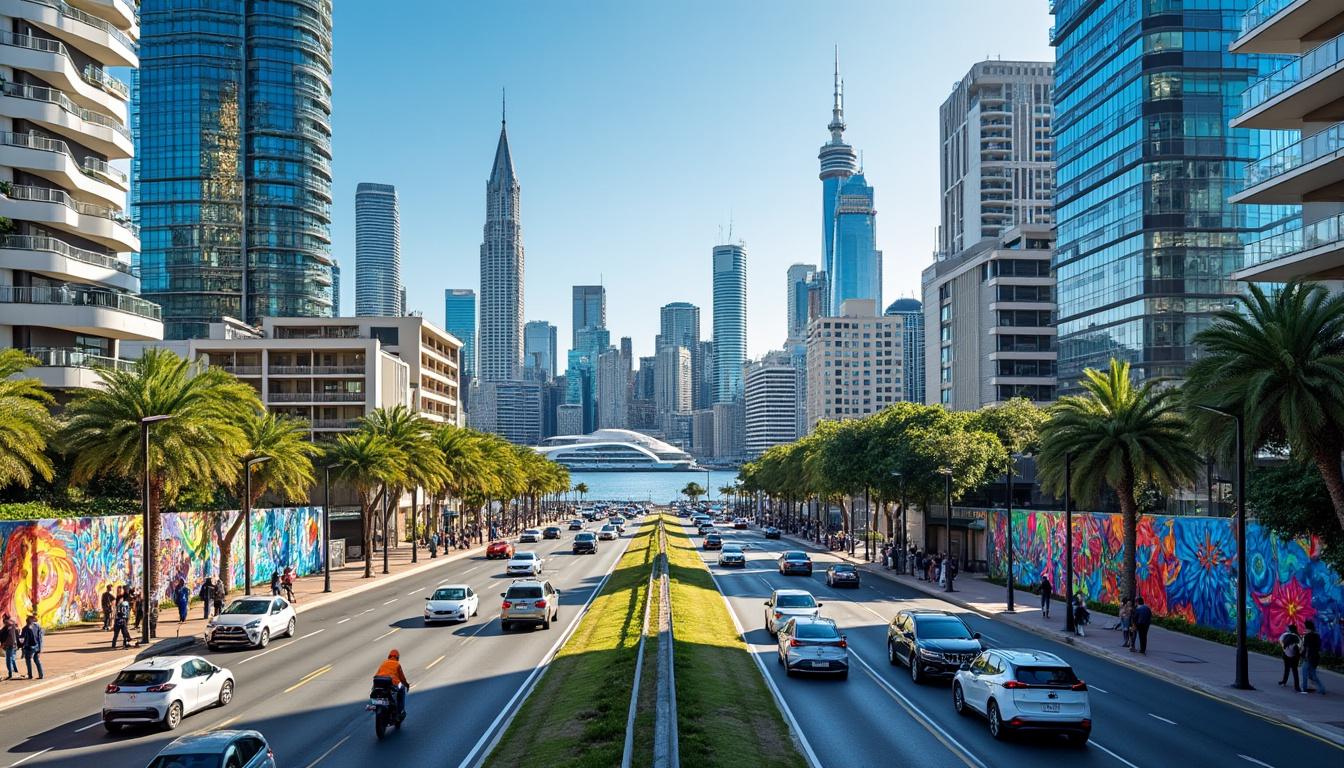
Infrastructure and Economic Development: Catalysts in Urban Growth and Investment Potential
Infrastructure projects form the backbone of any prime investment opportunity in the real estate market. Australian cities are experiencing a surge in large-scale developments that not only enhance connectivity but also uplift property values over the long term. Cities like Brisbane are undergoing transformational changes due to the Olympic infrastructure rollout, expanding transportation and community facilities which actively attract property investors.
Melbourne’s multi-billion-dollar infrastructure pipeline exemplifies how systematic government investment spurs urban renewal. Projects including transport hubs and new cultural precincts help sustain economic development while driving increased housing demand. The expansion of university campuses and tech precincts create a steady influx of students and professionals, translating into robust rental markets where secure and rising rental yields are key.
From Perth’s focus on renewable energy initiatives to Canberra’s steady governmental and educational job growth, each city’s economic landscape molds its real estate investment potential. This diversification of industries mitigates sector-specific downturn risks and creates a more resilient property market. Investors looking for stability with growth should evaluate not only current market conditions but also upcoming area-transforming infrastructure developments.
Here are key infrastructure trends shaping prime locations:
- Transport expansion: New metro lines, road upgrades, and regional connectivity improvements.
- Urban regeneration: Revitalization of older neighborhoods into vibrant, mixed-use precincts.
- Community facilities: Enhanced access to schools, hospitals, and recreational spaces boosting livability.
- Tech and industrial hubs: Creation of innovation districts fostering economic diversification and job growth.
- Sustainability projects: Renewable energy and green infrastructure influencing future-proof investments.
These projects, paired with Australia’s steady population growth, particularly in urban centers, generate a robust foundation for investors assessing the top cities ranking in terms of growth potential and rental return profiles.
Affordability and Rental Yields: Balancing Entry Costs with Investment Returns
Prime investment opportunities hinge on the delicate balance between the property’s purchase price and the achievable rental yield. A city’s average rental yield directly impacts the cash flow potential for property owners, while affordability determines the initial barrier to entry. For instance, Sydney’s median house price demands a hefty upfront investment, but its annual price growth and international demand help justify the cost for long-term investors.
In contrast, cities like Darwin and Hobart offer some of the highest rental yields in Australia, around 5% or higher, making them attractive for investors prioritizing steady income streams. Darwin’s market, supported by mining and defense sectors, experiences notable rental returns but carries volatility that savvy investors must navigate carefully. Hobart’s increasing popularity as a cultural hotspot and lifestyle city likewise drives robust yields, coupled with affordable median property prices.
Brisbane and Perth represent balanced scenarios where median prices remain reasonable while still delivering strong rental yields close to or exceeding 4.5%. These cities combine affordability with compelling growth trajectories, largely due to ongoing urban development and population inflows. For entry-level investors or those building a diversified portfolio, these cities offer prime locations where risk and return align effectively.
| City | Median Property Price (AUD) | Average Rental Yield (%) | Annual Price Growth (%) | Population Growth (%) |
|---|---|---|---|---|
| Sydney | $1,243,000 | 3.2 | 7.5 | 1.3 |
| Melbourne | $978,000 | 3.6 | 6.8 | 1.2 |
| Brisbane | $720,000 | 4.4 | 6.1 | 1.4 |
| Perth | $580,000 | 4.8 | 4.3 | 1.2 |
| Adelaide | $570,000 | 4.7 | 5.4 | 1.0 |
Investors must weigh these metrics carefully within the broader context of local market fluctuations and regulatory frameworks. For those seeking expert insights on sustainable property investment across Australia, resources such as reliable investment guides can augment strategic decision-making.
The Rise of Regional Cities and Emerging Investment Hotspots
The traditional dominance of capital cities is being complemented by the rise of regional hubs offering unique investment angles. Cities like Newcastle, Wollongong, and Geelong are increasingly spotlighted for their competitive prices paired with steady urban growth driven by proximity to major metropolitan areas and improving infrastructure. These locations present an attractive proposition for those looking to expand portfolios with a mix of capital stability and growth promise.
For example, Newcastle’s coastal charm combined with revitalized commercial centers sustains a healthy rental demand alongside capital appreciation. Wollongong benefits from strong transport links to Sydney, making it an ideal commuter city with lifestyle appeal. Geelong’s affordability relative to Melbourne, combined with emerging infrastructure developments, positions it as a strategic investment choice for the mid-term horizon.
Investors targeting emerging markets should consider a city’s economic development trajectory, population influx, and public/private infrastructure partnerships. These elements often create a ripple effect, heightening demand for residential property and commercial spaces alike. Regional cities are thus becoming essential components of a diversified property investment strategy in Australia’s evolving real estate market.
- Newcastle’s revitalized precincts offer dynamic investment returns with cultural appeal.
- Wollongong’s accessibility to Sydney supports strong rental markets for commuters.
- Geelong’s expanding infrastructure boosts property values and attracts families.
- Regional affordability opens doors for new investors entering prime urban growth zones.
- Improving connectivity reduces commute times, creating suburban lifestyle demand.
For further exploration on regional city investment merits and risks, specialized guides provide invaluable analysis and case studies.
Legal and Financial Considerations Impacting Property Investment in Australian Cities
Behind the scenes of every property transaction lie crucial legal and financial considerations that shape the actual investment outcomes. With Australia’s financial regulations managed diligently by ASIC and APRA, investors benefit from frameworks designed to maintain market integrity and safeguard long-term gains. However, navigating stamp duty laws, foreign investment rules, and tax benefits requires strategic planning.
For instance, foreign investors must comply with government approval processes, which vary depending on the city and property type. Certain Australian cities offer more lenient entry points for overseas buyers, which can influence the choice of location. Tax incentives such as negative gearing and depreciation schedules also influence investment decisions, affecting cash flow and return profiles.
Funding strategies tailored to property investment are essential for maximizing capital deployment. Whether leveraging existing equity or accessing specialized real estate financing products, aligning the financial structure with market conditions and personal risk tolerance remains key. Comprehensive support platforms and educational resources, such as those available through trusted finance educators, are invaluable tools amid Australia’s competitive investment space.
Awareness of evolving risks, from interest rate shifts to rental market cycles, is paramount. Understanding these elements allows investors to build resilient, balanced investment portfolios capable of weathering economic fluctuations.
Which Australian city offers the best balance of affordability and growth potential in 2025?
Brisbane and Perth stand out as prime examples, offering more affordable median property prices combined with healthy rental yields and solid annual price growth.
How do infrastructure projects impact real estate investment opportunities in Australian cities?
Infrastructure projects enhance connectivity and amenities, increasing demand for housing and consequently driving property values and rental yields in affected areas.
Are regional Australian cities good alternatives to capitals for property investment?
Yes, cities like Newcastle, Wollongong, and Geelong provide affordable entry points with strong growth potential due to proximity to major urban centers and improving infrastructure.
What legal requirements should international investors consider when buying Australian property?
Foreign investors must secure government approvals and comply with regulations, including limits on property types and ownership periods, varying by city and investment category.
Where can investors find reliable information on financing real estate investments in Australia?
Educational platforms such as those found on pifinance.com.au provide detailed guidance on funding strategies, tax benefits, and risk management tailored to Australian property markets.

